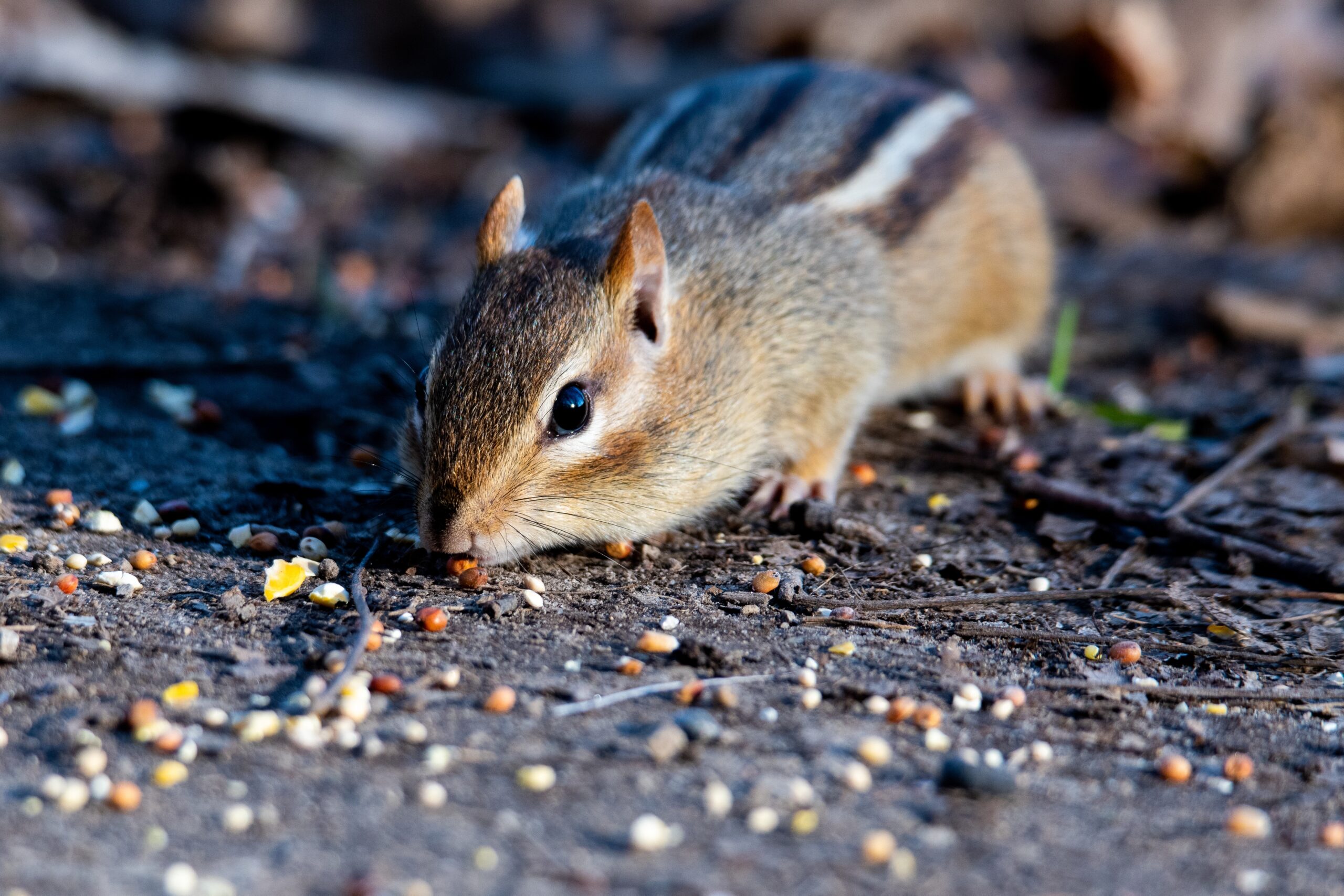
It started with a faint scratching sound behind a pallet of flour. The QA Tech thought it was nothing — maybe packaging shifting overnight. Two weeks later, during an unannounced audit, the auditor noticed droppings behind the storage rack and a small hole near the loading dock door.
That one overlooked sound turned into a *major non-conformance*, a $20,000 product disposal, and a painful lesson: in food safety, **even the smallest intruder can shake your entire system**.
The Hidden Risk in Every Facility
Rodents are more than an inconvenience — they’re a direct threat to food safety and a fast track to audit failure. They carry harmful pathogens like Salmonella, E. coli, and Listeria, which can easily contaminate food contact surfaces, packaging materials, and raw ingredients.
What makes them so dangerous?
- A single mouse can leave 70+ droppings per day.
- They reproduce rapidly — up to 60 offspring per year.
- Their presence often means contamination has already occurred.
And once regulators or auditors find evidence, it’s not just about cleaning up — it’s about proving control, prevention, and traceability.
Why Rodent Control Matters in Food Safety Audits
All major food safety programs — **HACCP, SQF, BRCGS, and Canada GAP** — require a robust pest management system. Failure to demonstrate control over pest activity can lead to:
- Audit non-conformances or suspensions
- Production downtime for cleaning and re-inspection
- Product recalls or destroyed batches
- Loss of certification and customer trust
In short, one small mouse can undo months of preparation.
🔍 Early Warning Signs You Should Never Ignore
You don’t always *see* the rodents — but they leave clues. Watch for:
- Droppings near baseboards or storage rack
- Gnaw marks on packaging or wiring
- Grease trails along walls or pipes
- A musty or ammonia-like smell in enclosed areas
- Nesting materials (shredded paper, insulation, or cardboard)
The earlier you identify these signs, the easier it is to act before contamination spreads.
5 Ways to Prevent Rodent Infestations in Food Facilities
Inspect Regularly: Conduct weekly visual checks around doors, drains, ceilings, and under equipment. Partner with a licensed pest control technician for monthly monitoring.
Seal Entry Points: Rodents can squeeze through holes as small as a dime. Use metal flashing or steel wool to seal gaps around doors, vents, and pipes.
Maintain a Clean, Clutter-Free Environment: Keep raw materials on pallets and off the floor. Rotate stock regularly and eliminate hiding spots behind storage racks.
Monitor and Document: Maintain a pest control log with all service reports, bait station maps, and corrective actions. Documentation is key for audits.
Train Employees: Your first line of defense is your staff. Train them to recognize and report early signs of pest activity without hesitation.
How Assured Food Safety Consulting Can Help
At **Assured Food Safety Consulting (AFSC)**, we’ve seen firsthand how quickly a small issue can escalate — and how simple proactive measures can save thousands.
Our team helps food facilities:
✅ Conduct comprehensive site inspections to identify pest-prone zones
✅ Develop custom Pest Control Standard Operating Procedures (SOPs)
✅ Train employees on monitoring and reporting procedures
✅ Prepare facilities for HACCP, SQF, and BRCGS audits
✅ Create corrective action and verification records that stand up during audits
We don’t just help you react — we help you build a prevention-first culture that keeps your certification strong and your brand reputation safe.
📩 Final Thought
Rodent control isn’t just about traps and bait — it’s about protecting the integrity of your product, your team, and your customers. So, the next time you hear a faint scratching sound in your facility, don’t ignore it. It could be the start of your next audit story — or the one you prevented.
👉 Need support building or reviewing your pest control program?
Contact Assured Food Safety Consulting at [tania@assuredfoodsafety.ca] to schedule a site-specific consultation.